
float glass cut to size
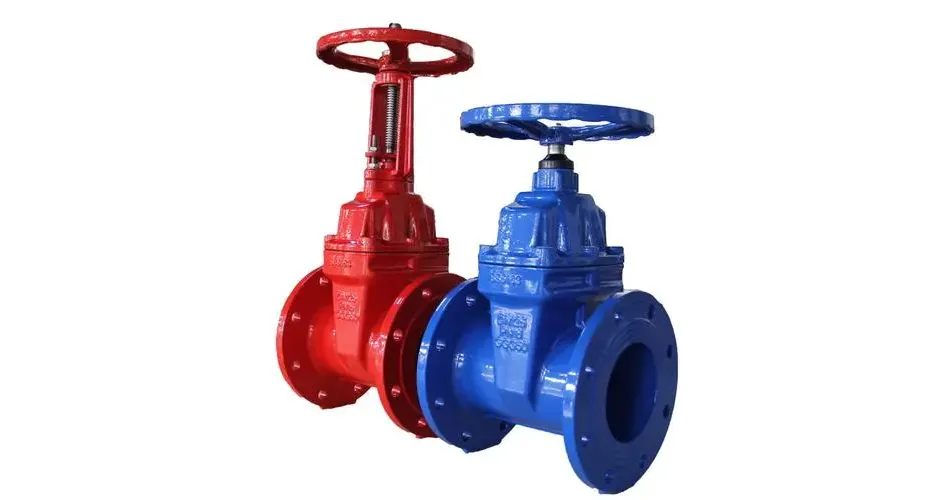
Valves are indispensable components in industrial systems, regulating the flow of liquids, gases, and slurries with precision. Selecting the right valve types ensures operational efficiency, safety, and longevity of infrastructure. This article explores key valve categories, procurement strategies like valve wholesale , considerations when sourcing valves for sale , and specialized designs such as types of shut off water valves and broader types of water valves . Valve Types: Core Categories and Industrial Uses Valves are categorized by design, function, and application. Common valve types include: Ball Valves: Known for durability and quick shut-off, these use a rotating sphere to control flow. Ideal for oil, gas, and water systems. Their full-bore design minimizes turbulence, making them suitable for high-purity industries like pharmaceuticals. Gate Valves: Designed for full flow or complete shut-off, they minimize pressure drop in pipelines. Commonly used in wastewater treatment plants where uninterrupted flow is critical. Globe Valves: Excellent for throttling, these valves adjust flow rates in HVAC and steam systems. Their tapered plug design allows precise control, even in high-temperature environments. Butterfly Valves: Compact and cost-effective, they regulate flow in large-diameter pipes for water treatment or food processing. Their lightweight construction reduces installation complexity. Material choice is critical. Stainless steel resists corrosion in chemical industries, while brass suits residential plumbing due to its malleability. Polymers like PVC are lightweight and corrosion-resistant for low-pressure applications, such as irrigation systems. Emerging materials, such as duplex stainless steel, offer enhanced strength for offshore oil rigs exposed to harsh marine conditions. The Role of Valve Wholesale in Industrial Procurement Purchasing through valve wholesale channels offers economies of scale, particularly for industries requiring bulk orders. Wholesale suppliers provide standardized or custom valve types , ensuring compatibility with existing systems. For example, butterfly valve wholesale options are popular in water distribution due to their balance of cost and performance. Businesses must evaluate suppliers for certifications (e.g., API, ISO) and material traceability. Bulk purchasing reduces unit costs and ensures consistent inventory, critical for large-scale projects like power plants or municipal water networks. Additionally, wholesale partnerships often include technical support, such as valve sizing guidance or material selection advice, which optimizes system design. For industries with fluctuating demand, such as construction, wholesale agreements may include flexible delivery schedules to align with project timelines. Evaluating Valves for Sale: Materials and Performance When assessing valves for sale , prioritize material compatibility and operational demands. Key considerations include: Pressure and Temperature Ratings: Ensure valves withstand system conditions without degrading. For instance, cast iron valves are cost-effective for low-pressure steam systems, while forged steel is mandatory for high-pressure oil pipelines. Sealing Mechanisms: Rubber or PTFE seals prevent leaks in high-pressure environments. In cryogenic applications, elastomers like Viton® maintain flexibility at sub-zero temperatures. End Connections: Flanged, threaded, or welded ends must match pipeline specifications. Flanged connections simplify maintenance in chemical plants, while welded ends provide leak-proof joints in high-vibration settings. For types of shut off water valves , such as gate or ball valves, bronze and stainless steel are preferred for corrosion resistance. Always verify compliance with industry standards like ANSI or ISO. Non-metallic valves, such as those made from CPVC, are gaining traction in residential systems due to their resistance to chlorine-induced degradation. Types of Shut Off Water Valves: Design and Applications Shut-off valves are critical for isolating sections of a water system. Common types of shut off water valves include: Gate Valves: Used in main water lines for infrequent operation. Their rising stem design provides visual confirmation of open/closed status but requires ample installation space. Ball Valves: Provide reliable sealing in residential plumbing. Their quarter-turn operation enables rapid shut-off during emergencies. Globe Valves: Suited for precise flow control in industrial cooling systems. Though prone to higher pressure drops, their throttling accuracy justifies their use in process control. Materials like brass and PVC are chosen based on environmental exposure. For instance, brass valves excel in hot water systems due to thermal stability, while PVC is ideal for cold-water applications. In coastal areas, bronze valves resist saltwater corrosion, extending service life in desalination plants. FAQS: About Valve Types Selection and Use What factors determine the best valve types for high-pressure systems? High-pressure systems require valve types with robust construction, such as forged steel ball valves. Sealing materials must resist deformation, and full-bore designs minimize flow restriction. Additionally, valves should undergo hydrostatic testing to validate integrity under extreme conditions. How does valve wholesale purchasing benefit long-term infrastructure projects? Valve wholesale reduces costs for large orders and ensures uniformity across installations. It also simplifies inventory management for projects spanning years, like pipeline networks. Centralized procurement reduces logistical delays and guarantees compatibility with future expansions. What should buyers prioritize when sourcing valves for sale? Focus on material grade, pressure compatibility, and supplier credibility. For valves for sale , request test reports to validate performance under simulated conditions. Avoid valves with mixed-material components unless explicitly rated for the intended application. Why are certain types of shut-off water valves preferred in emergency scenarios? Types of shut off water valves like ball valves enable rapid closure, critical during leaks. Their simple design reduces failure risks compared to multi-component valves. Lever-style handles or gear operators enhance usability in high-stress situations. How do different types of water valves address corrosion resistance? Types of water valves made from stainless steel or bronze inherently resist corrosion. Coatings like epoxy enhance durability in saline or chemically aggressive environments. For acidic fluids, Hastelloy valves offer superior performance despite higher upfront costs. By understanding valve types , leveraging valve wholesale opportunities, and prioritizing material quality when selecting valves for sale , industries can optimize system performance. Specialized types of shut off water valves and broader types of water valves further ensure tailored solutions for diverse operational needs, from municipal utilities to heavy industrial complexes. Investing in the right valve technology not only enhances efficiency but also mitigates risks associated with system failures.
about
float glass cut to size
How to Change the Main Water Valve A Step-by-Step Guide Changing the main water valve in your home can seem like a daunting task, but with the right tools and a little guidance, it can be accomplished with ease. This essential component controls the flow of water into your home, and knowing how to replace it can save you from potential flooding or water damage. Here is a comprehensive step-by-step guide on how to change your main water valve safely and efficiently. Understanding the Main Water Valve The main water valve is typically located near where the water line enters your home, often found in the basement, crawlspace, or near the foundation. The valve allows you to shut off the water supply for repairs or emergencies, making it crucial for managing your household's plumbing system. Tools and Materials You'll Need Before you begin, gather the necessary tools and materials - Adjustable wrench or pipe wrench - Screwdriver - Hacksaw (if needed) - Replacement valve (matching your existing size and type) - Plumber’s tape - Towels or sponge (for any spills) - Bucket (to catch any residual water) Step 1 Shut Off the Water Supply This is the most important step. Locate your main water shut-off valve. If you're unsure where it is, turn on a faucet to identify which direction is the supply; then use that knowledge to find the valve. Once you locate it, turn the valve clockwise until it stops. This action will cut off the water flow to your home. Step 2 Drain the Lines Next, open faucets throughout your home to relieve pressure and drain any residual water in the pipes. Start with the highest faucet to allow gravity to help, then work your way down to the lowest . This step will help minimize any mess when you remove the old valve. Step 3 Remove the Old Valve how to change main water valve Using your adjustable wrench, loosen the nuts attaching the old valve to the water supply pipes. Depending on the type of connections (threaded, compression, etc.), you may need to adjust your approach. If the old valve is soldered, you may need a hacksaw to cut it out. Be cautious if you are cutting through metal; the area can become sharp. Step 4 Prepare for Installation Once the old valve is removed, clean the threads of the pipes to ensure there is no debris or old plumber’s tape left. This will help create a proper seal when the new valve is installed. Inspect the condition of the connecting pipes; if they show signs of corrosion or damage, you may need to address those issues before proceeding. Step 5 Install the New Valve Take your replacement valve and wrap the threads with plumber’s tape. This tape helps to create a watertight seal and makes it easier to screw on the new valve. Hand tighten the valve onto the pipes first, then use your wrench to secure it further, but avoid overtightening, which can damage the threads. Step 6 Turn the Water Supply Back On Once the new valve is securely in place, you can turn the main supply back on. Turn the valve counter-clockwise slowly to avoid sudden pressure changes. Check for leaks around the new valve as water begins to flow. Step 7 Test Everything After you have turned the water back on, inspect the installation for any signs of leaks. Open a few faucets in your home to allow water to flow through the plumbing system. This step ensures that everything is functioning correctly and that your new valve is operating as it should. Conclusion Replacing the main water valve in your home may seem challenging, but by following these steps, you can do it on your own, saving money on professional plumber costs. It’s always a good idea to familiarize yourself with your home’s plumbing system, and knowing how to replace your main water valve can empower you to handle future plumbing issues with confidence. If you encounter any complications or are uncertain about any step, don’t hesitate to consult a professional plumber. Your home’s water system deserves the best care and attention!
-

High quality industrial productsagement

High quality industrial products
View Details -

Meet the diverse needs of customers

Meet the diverse needs of customers
View Details -

Strict quality control

Strict quality control
View Details -

Top raw materials

Top raw materials
View Details -

Trusted supplier

Trusted supplier
View Details
Our application
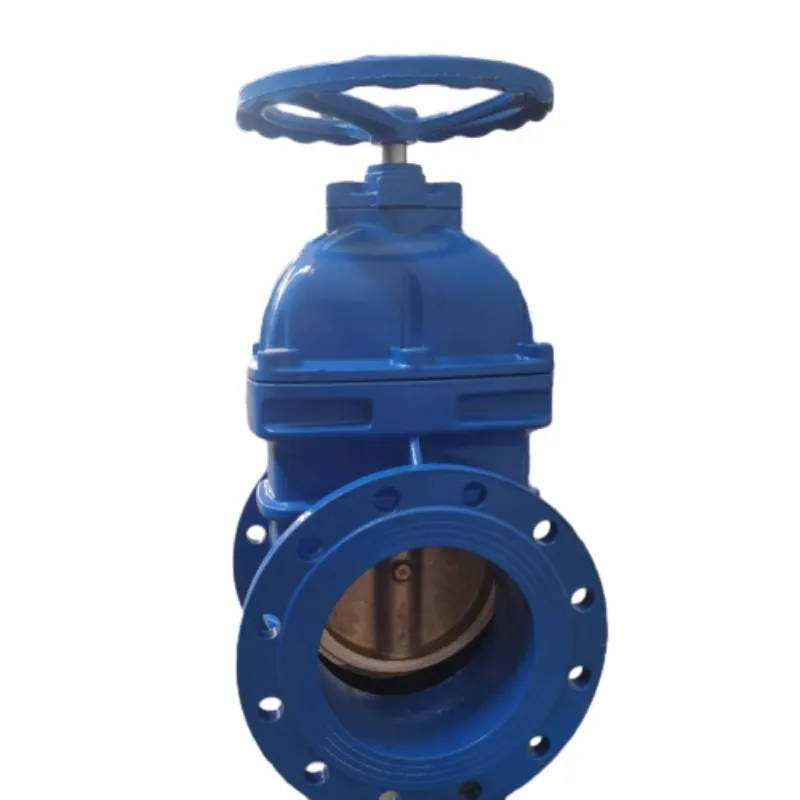
news and information
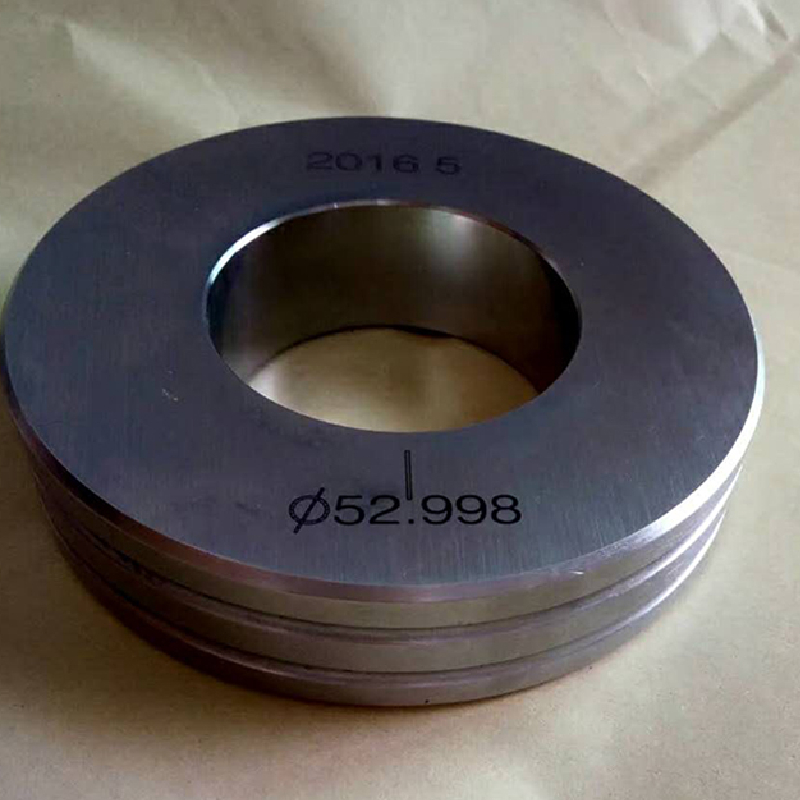
v Hướng dẫn
Hướng Dẫn Về Rào Chắn V Trong cuộc sống hiện đại, việc bảo đảm an toàn giao thông là một trong những
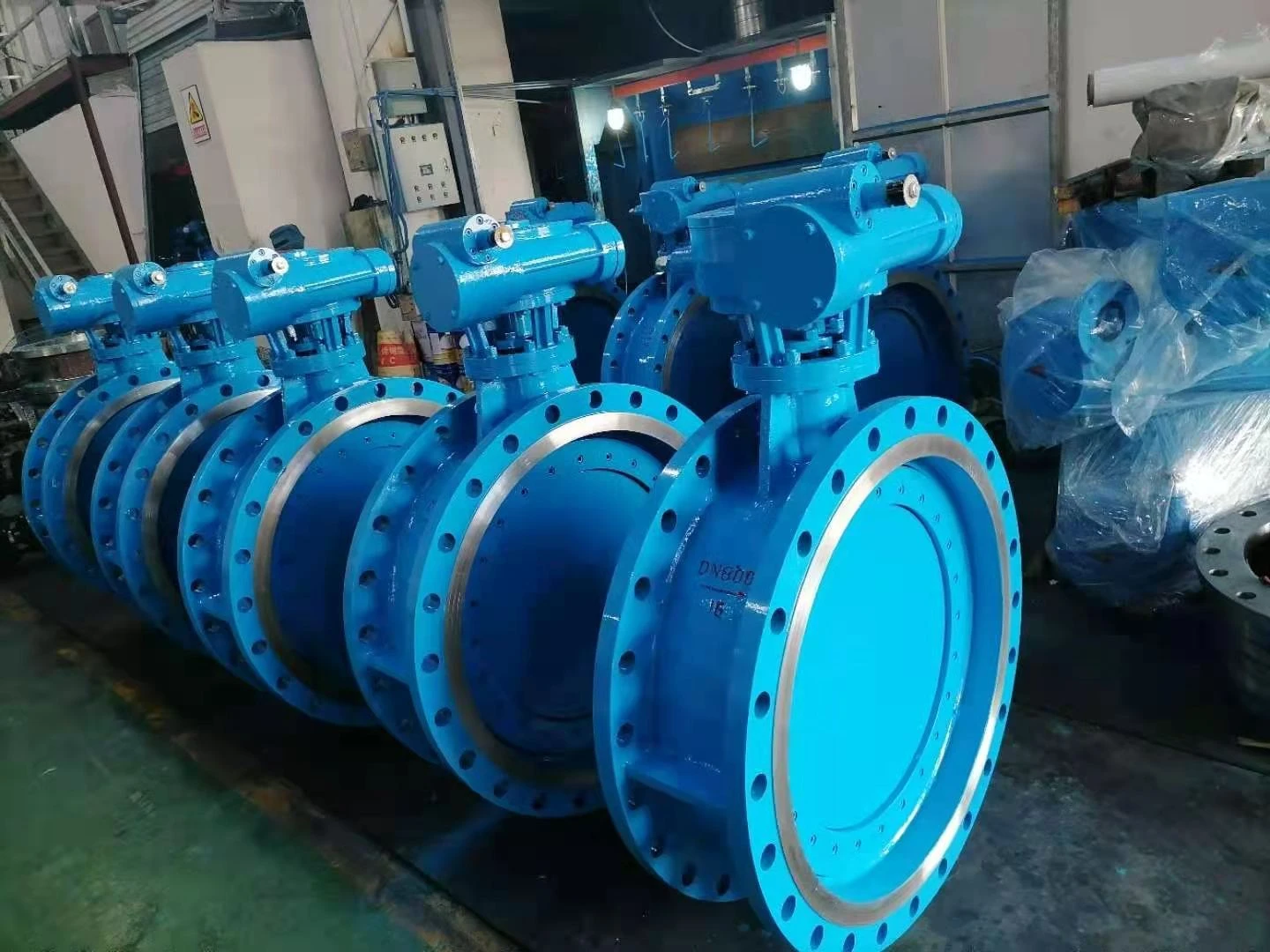
Versatile Large Metal Strainer for Efficient Kitchen Tasks and Food Preparation Needs
The Benefits and Versatility of Large Metal Strainers In the culinary world, the tools we use can si
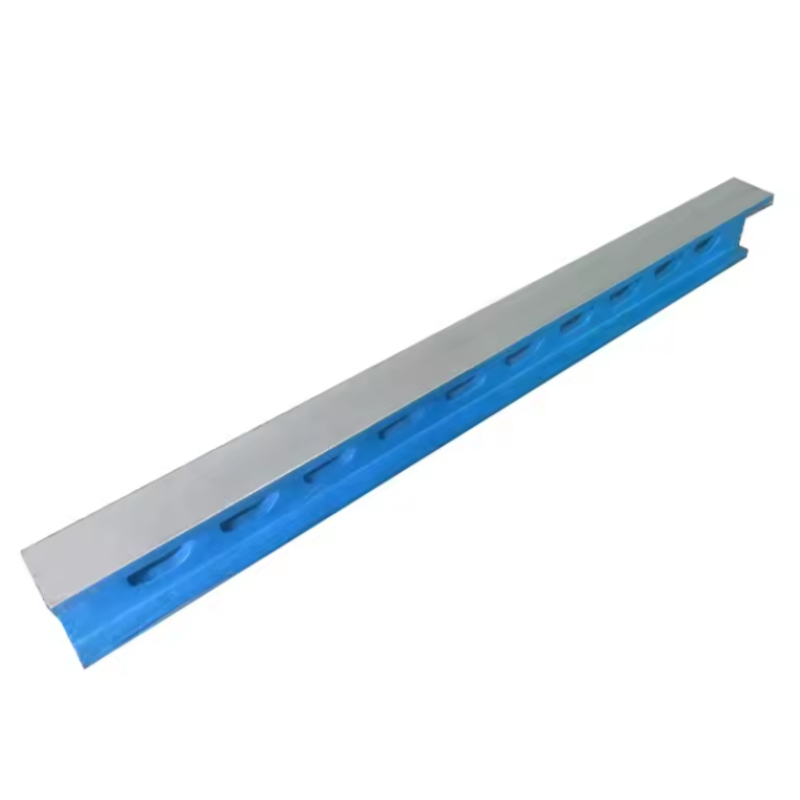
Versatile 3D Welding Table for Enhanced Fabrication and Precision Work
The Importance and Advantages of 3D Welding Tables in Modern Fabrication In the world of metal fabri
 English